Clinical Trial Operations Planning: The 2026 Checklist Every Sponsor Should Download (Clinical Trials Planning Template Included)

Table of Contents
- Why Operational Planning Matters
- Common Budget Drivers to Plan For
- Site Costs
- CRO & Operational Services
- Technology & Digital Infrastructure
- Hidden Costs That Often Get Missed
- A Practical Clinical Trial Operations Planning Checklist
- Study Design
- Budget & Finance
- Site Management
- Technology
- Data & Compliance
- Execution
- Free Clinical Trial & Operations Planning Template
- Planning Smarter in 2026
Clinical trials rarely fail because of just one single issue. They struggle when planning gaps and issues compound over time. Budget overruns, protocol amendments, disconnected systems, manual data entry, and poor operational visibility can add months to timelines and millions to study costs.

The good news? Many of these challenges can be prevented with a structured planning process before the first patient is enrolled.
Why Operational Planning Matters
A comprehensive planning framework helps sponsors and CROs:
- Reduce costly protocol amendments and unexpected change orders
- Improve cross-functional collaboration between clinical operations, data management, finance, and regulatory teams
- Identify budget risks before study startup
- Standardize timelines, milestones, and deliverables
- Accelerate site activation and patient enrollment
- Improve forecasting for staffing, vendors, and technology needs
- Increase visibility into study progress and resource allocation
Common Budget Drivers to Plan For
When building your study plan, account for major cost categories such as:
Site Costs
- Per-patient grants
- Site startup fees
- IRB and ethics submissions
- Training and onboarding
- Laboratory and imaging procedures
- Participant reimbursement
CRO & Operational Services
- Clinical monitoring
- Project management
- Medical monitoring
- Data management
- Biostatistics and programming
- Regulatory support
Technology & Digital Infrastructure
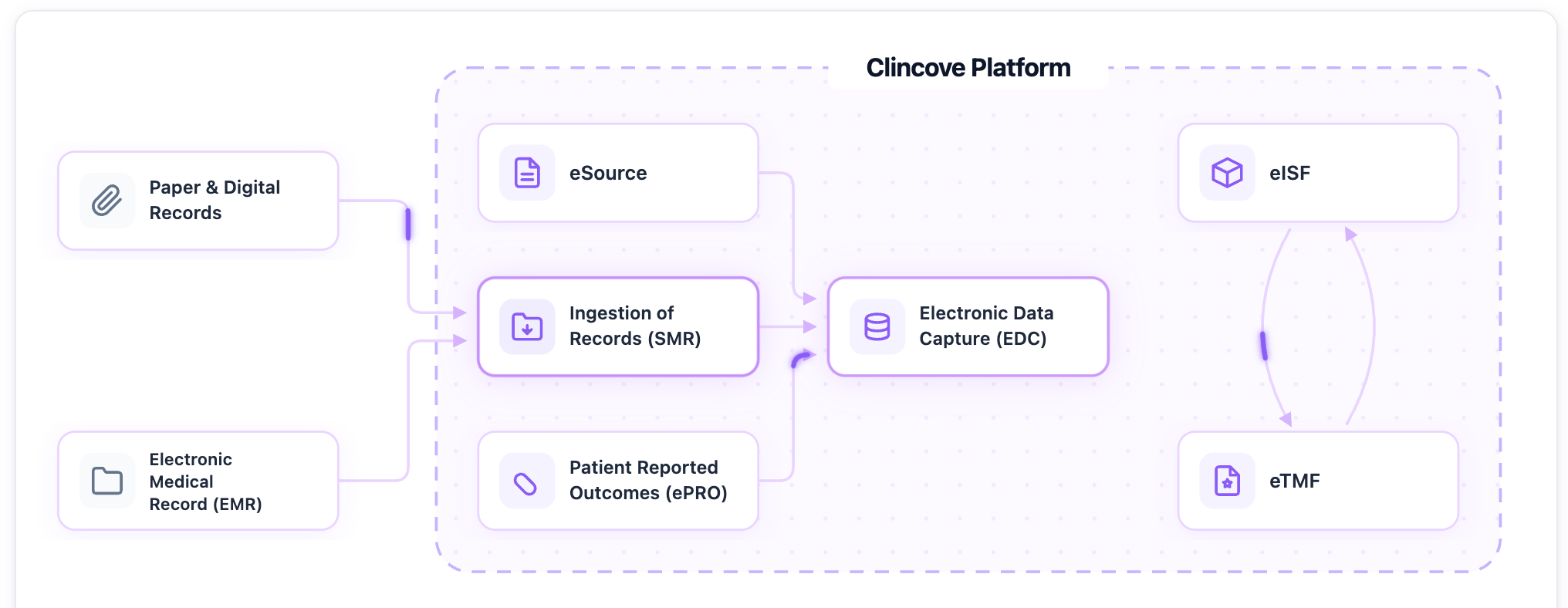
- Electronic Data Capture (EDC)
- eSource platforms
- eTMF and eISF management
- Randomization and trial supply management
- Safety and pharmacovigilance systems
- Integrations between clinical systems
Hidden Costs That Often Get Missed
Many budgets underestimate the impact of operational inefficiencies. Watch for:
- Protocol amendments that delay timelines and require rework
- High screen failure rates that increase cost per enrolled participant
- Manual reconciliation across disconnected systems
- Vendor change orders during execution
- Extended enrollment periods
- Database lock delays caused by excessive queries
- Duplicate documentation and compliance activities
A Practical Clinical Trial Operations Planning Checklist
Download our Clinical Operations and Trial Templates here >>
Before launching your study, confirm you have addressed the following:
Study Design
- Study objectives finalized
- Protocol reviewed for operational feasibility
- Inclusion/exclusion criteria validated
- Risk assessment completed
Budget & Finance
- Patient cost assumptions documented
- Vendor budgets approved
- Contingency reserves established
- Forecast reviewed across all study phases
Site Management
- Country and site selection complete
- Startup timelines confirmed
- Training plans finalized
- Recruitment expectations aligned
Technology
- EDC configured
- eSource workflows validated
- eTMF/eISF strategy documented
- Integrations tested
- User access and permissions configured
Data & Compliance
- CRFs designed
- Data management plan approved
- Monitoring strategy established
- Quality management processes documented
- Regulatory documentation prepared
Execution
- Enrollment projections reviewed
- Milestone reporting established
- Vendor governance meetings scheduled
- KPI dashboard defined
- Risk mitigation plan documented
Free Clinical Trial & Operations Planning Template
To simplify planning, create or download a reusable project template that includes:
Section | What to Track |
|---|---|
Study Overview | Protocol, phase, indication, sponsor, timeline |
Budget | Site costs, vendor costs, technology, contingency |
Milestones | Startup, FPI, enrollment targets, database lock, CSR |
Site Management | Site activation, training, recruitment status |
Technology | EDC, eSource, eTMF, integrations, validation |
Risk Register | Operational risks, mitigation plans, owners |
Resources | Internal teams, CROs, vendors, staffing |
KPIs | Enrollment, query rates, monitoring metrics, budget burn |
Compliance | Regulatory submissions, audits, document status |
Action Items | Owner, due date, status, priority |
Planning Smarter in 2026
Organizations that invest in upfront planning often experience fewer delays, better budget predictability, and more efficient trial execution. Consolidating workflows, reducing manual processes, and using modern planning tools can help teams spend less time managing operations and more time advancing research.
Download our free Clinical Trial & Operations Planning Template to organize budgets, timelines, milestones, risks, vendors, and operational tasks in one place—and start your next study with greater confidence.
Continue Reading

How AI Can Help CROs Create More Capacity Without Replacing Clinical Expertise
How can technology give experienced clinical teams more capacity to do the work that matters most?

Grow Together: Introducing the Clincove Partnership Program - for CROs, SMOs and Sites
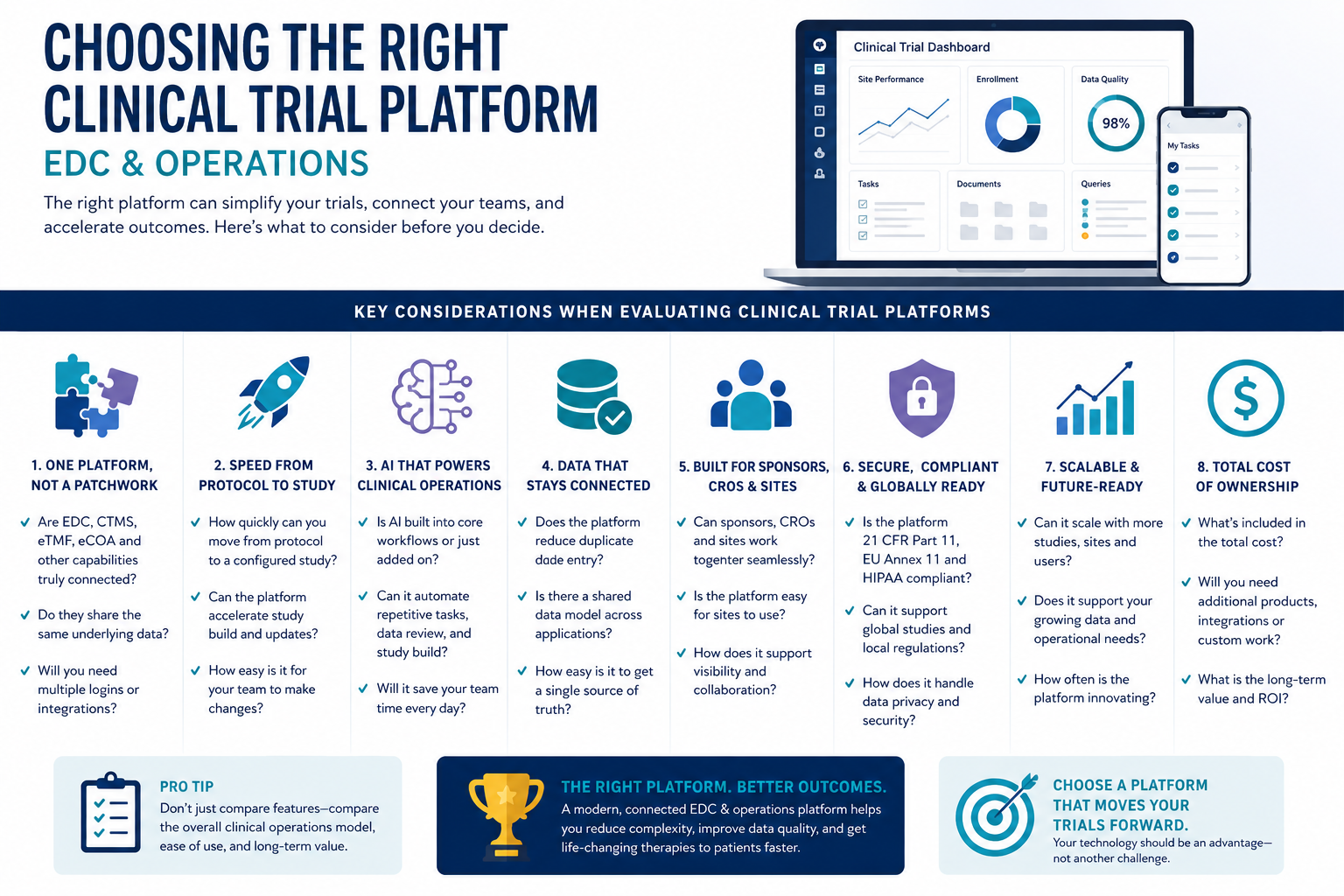
Critical Considerations When Choosing an Agentic AI Clinical Operations & EDC Platform
What Sponsors, CROs, and Research Sites Should Consider Before Selecting Clinical Trial Technology Choosing a clinical o
Simplify clinical operations
Ready to modernize your clinical trials?
See how Clincove unifies EDC, eISF, eTMF, and eSource into one platform -- deploy in weeks, not months.