Decentralized Trials in 2026: What’s Working and What Isn’t

Table of Contents
Decentralized clinical trials (DCTs) were supposed to revolutionize clinical research. The COVID-19 pandemic accelerated their adoption, and for a moment, it seemed like the traditional site-based model was on its way out. Three years later, the reality is more nuanced.
The DCT promise vs. reality
The pitch was compelling: bring the trial to the patient instead of the patient to the trial. Remote consent, telemedicine visits, wearable data collection, and direct-to-patient drug shipment would expand access, reduce burden, and accelerate enrollment.
Some of that has materialized. But the industry has also learned hard lessons about where decentralization works and where it creates new problems.
What’s working
- Electronic consent (eConsent). Remote consent is now widely accepted by regulators and patients alike. The ability to review consent documents at home, ask questions via video, and sign electronically has improved comprehension and reduced screen failures.
- Remote Monitoring. Centralized and remote monitoring approaches have proven effective for many trial types, reducing the need for on-site CRA visits while maintaining data quality. See our CRA guide to remote monitoring.
- Hybrid models. The most successful ‘decentralized’ trials aren’t fully remote — they’re hybrid, with key visits at the site and routine assessments done remotely. This balances patient convenience with clinical rigor.
- eSource data capture. Collecting data electronically at the point of care — whether at a site or at the patient’s home — eliminates transcription errors and accelerates data availability.
What’s not working
- Fully virtual trials in complex therapeutic areas. Oncology, CNS, and rare disease trials often require physical assessments, imaging, and lab work that can’t be done remotely. Attempts to force-fit these into a fully virtual model have led to data quality issues.
- Patient technology barriers. Not all patient populations are comfortable with apps, wearables, and video visits. Geriatric populations, rural communities, and low-income patients may actually be excluded by DCT approaches that were designed to increase access.
- Regulatory fragmentation. Different countries and even different IRBs have inconsistent rules about remote consent, telemedicine, and direct-to-patient shipment. This creates operational complexity for global trials.
- Site economics. When procedures move away from the site, sites lose the associated revenue. This can make sites reluctant to participate in DCT studies, especially for procedures they’ve invested in (e.g., infusion centers, imaging equipment).
The hybrid model: what’s emerging
The industry is converging on a pragmatic middle ground:
- Use sites for screening, key efficacy assessments, and procedures requiring specialized equipment
- Use remote/home-based approaches for routine follow-ups, patient-reported outcomes, and safety check-ins
- Give patients choice where possible — some prefer the structure of site visits, others prefer the convenience of remote participation
- Invest in technology platforms that support both modalities seamlessly
What this means for 2026 and beyond
The DCT hype cycle is settling into something more useful: a toolkit of approaches that can be selectively applied based on the study, the population, and the endpoints.
The winners will be organizations that can flex between site-based and remote approaches without switching technology platforms. A unified platform that handles EDC, eSource, eConsent, and remote monitoring in one system makes this flexibility possible. See how Clincove enables hybrid trials.
Continue Reading

How AI Can Help CROs Create More Capacity Without Replacing Clinical Expertise
How can technology give experienced clinical teams more capacity to do the work that matters most?

Grow Together: Introducing the Clincove Partnership Program - for CROs, SMOs and Sites
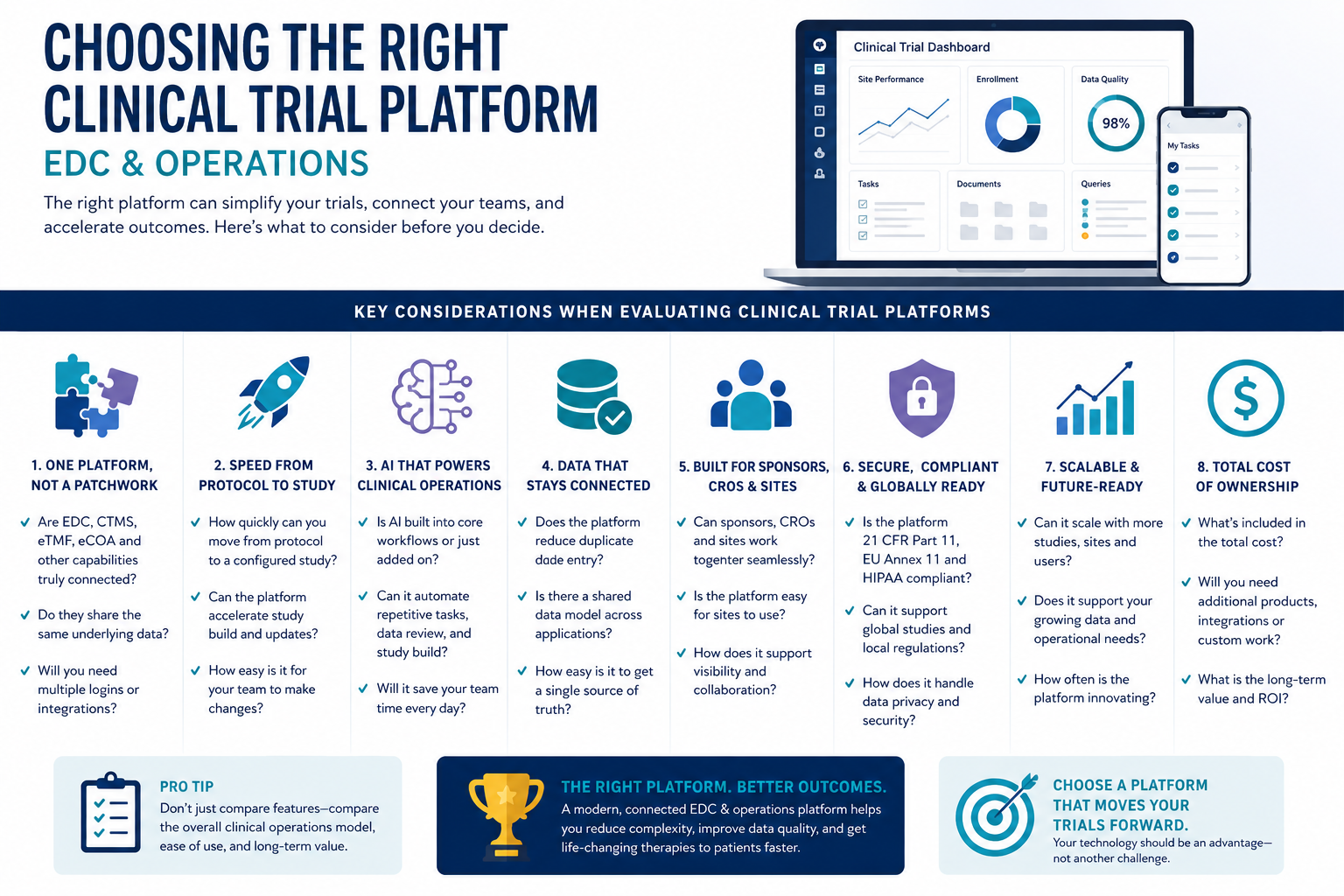
Critical Considerations When Choosing an Agentic AI Clinical Operations & EDC Platform
What Sponsors, CROs, and Research Sites Should Consider Before Selecting Clinical Trial Technology Choosing a clinical o
Simplify clinical operations
Ready to modernize your clinical trials?
See how Clincove unifies EDC, eISF, eTMF, and eSource into one platform -- deploy in weeks, not months.